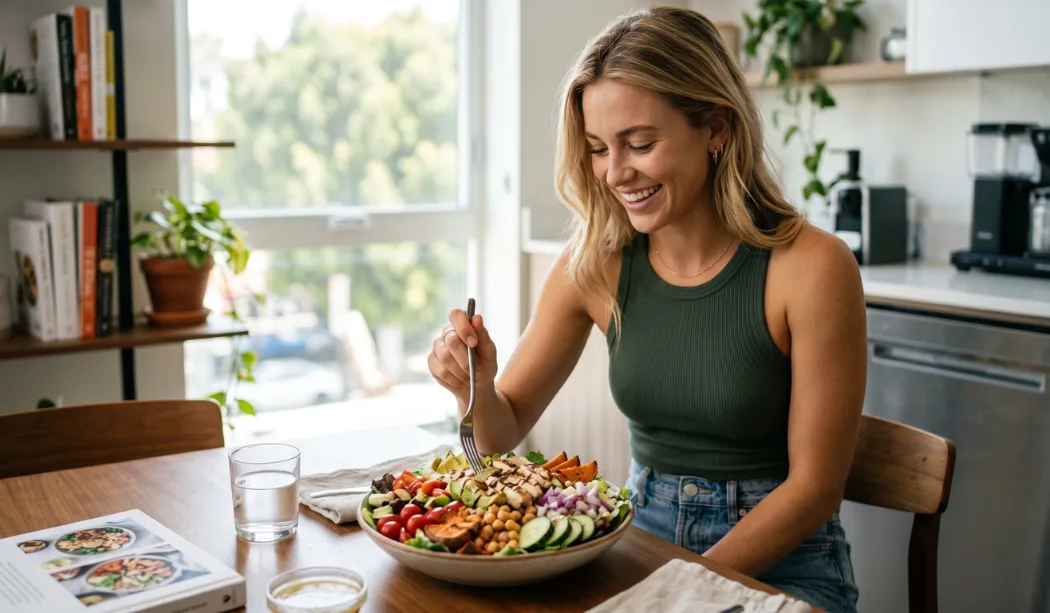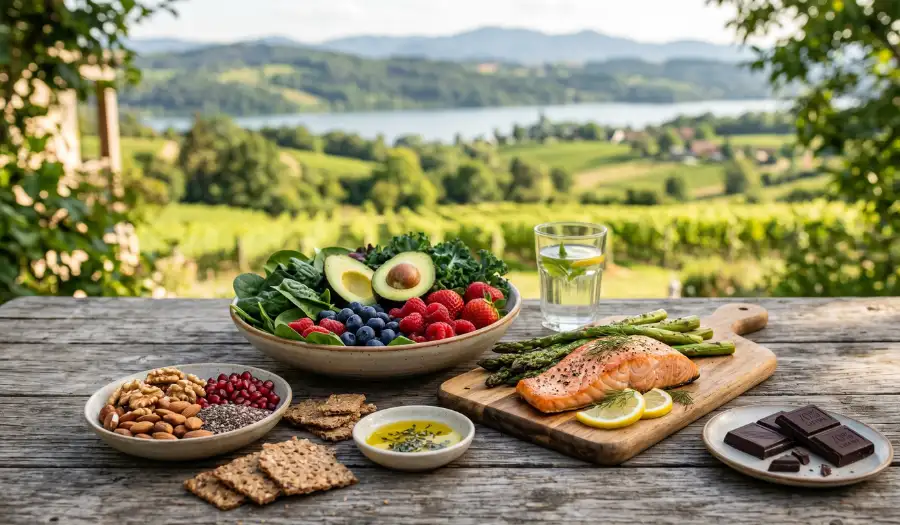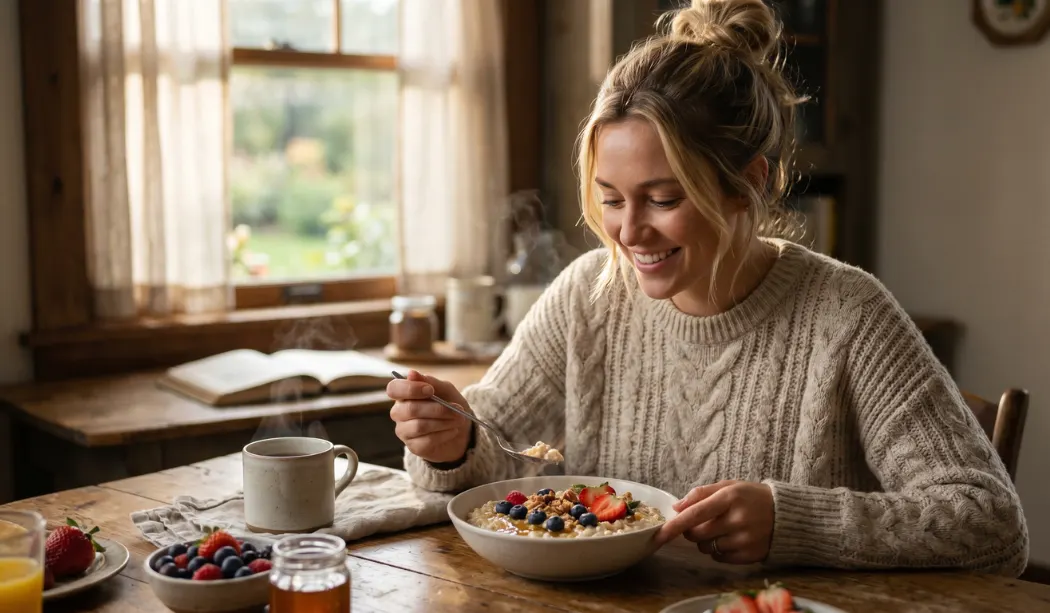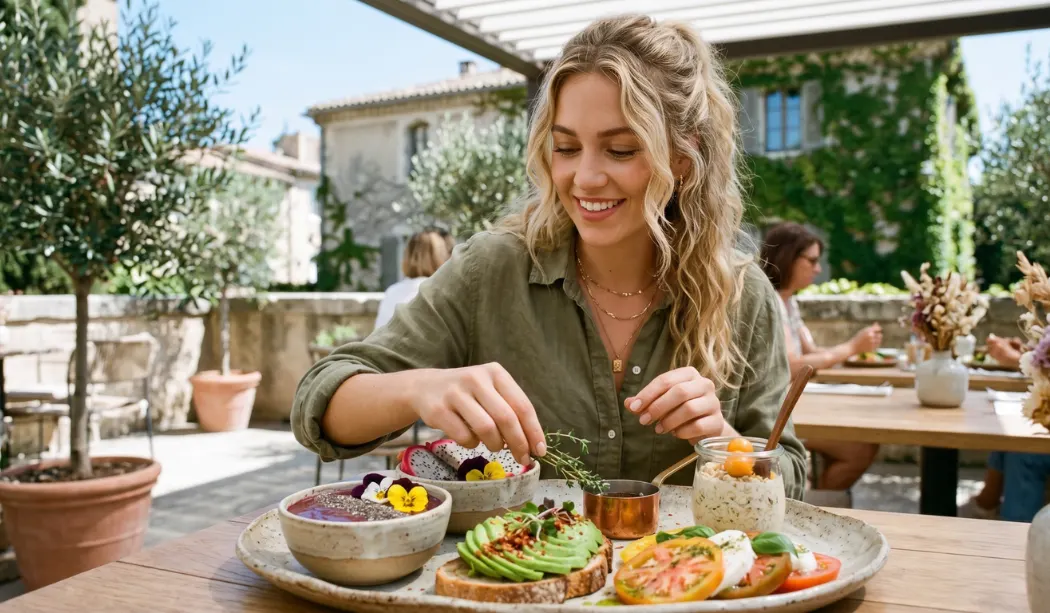
We eat with our eyes before we ever take a bite. Walk into any top restaurant today, and you will see people pulling out phones to snap photos of their meals. Beautiful plates of food drive huge traffic on social media, especially on Google Discover. If you want your culinary creations to stand out, mastering Trending Food Presentation Styles is the ultimate secret weapon. Great plating transforms a simple recipe into an unforgettable dining experience. Whether you manage a busy commercial kitchen or cook for family at home, changing how you present food alters how people perceive its taste. Let us dive into the art and science of modern food styling to make your dishes truly unforgettable.
Why Is Food Presentation Important?
Food presentation matters because it directly impacts our brain and appetite. When a plate looks clean, vibrant, and organized, our minds instantly signal that the food is high-quality and delicious. Scientific studies show that people actually think visually appealing food tastes better and is worth a higher price.
For businesses, stunning plating is free marketing. A single diner sharing a beautiful photo online can bring dozens of new customers through your doors. For home cooks, it shows love, care, and a high level of respect for your guests. Plating is not just about decoration; it is about setting expectations for the very first bite.
What Are the Latest Food Styling Trends?
The culinary world is moving away from stiff, overly formal plating designs. Today, the biggest movement focuses on natural beauty, sustainability, and vibrant colors. Chefs are ditching perfectly sculpted shapes for organic layouts that look alive and effortless.
We see a massive shift toward using functional ingredients for styling. Every single item on a plate must serve a purpose and taste good. Edible flowers, microgreens, and bright vegetable purees replace old-school, inedible garnishes like raw parsley sprigs or basic lemon wheels.
Top 10 Trending Food Presentation Styles
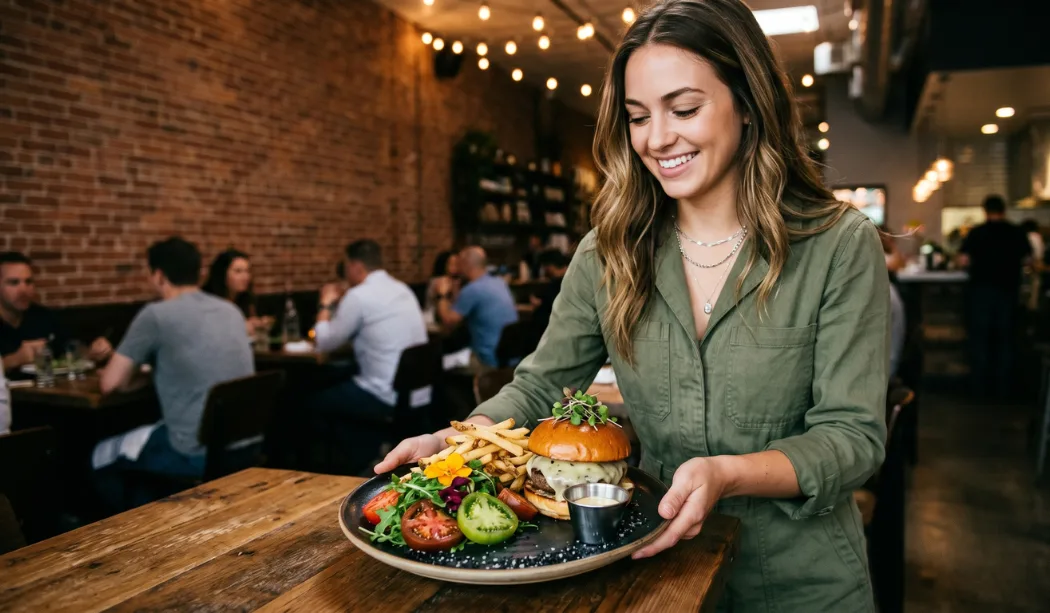
Understanding modern plating methods helps you design beautiful dishes consistently. Here are the top ten visual layouts dominating the food industry right now.
1. The Nordic Landscape Style
This design mimics natural scenery like forests, gardens, or coastlines. Chefs use earthy tones, moss-like herb crumbles, and rustic stoneware plates. Food is arranged in asymmetrical clusters that resemble a wild, beautiful landscape.
2. High-Contrast Monochromatic Plating
This method uses different shades of a single color family on one plate. For example, a chef might combine purple sweet potato puree, grilled radicchio, and pickled red onions. The result is a striking, high-fashion look that immediately grabs attention.
3. Deconstructed Artistry
Deconstruction breaks a classic dish down into its individual components and displays them separately on the plate. A traditional apple pie becomes a beautiful layout of baked apple slices, cinnamon pastry shards, and dollops of vanilla cream.
4. Geometric Precision
For a clean and hyper-modern look, geometric layouts rely on straight lines, perfect circles, and exact squares. This layout is highly popular in fine dining and pastry arts, where balance and symmetry create a sense of perfection.
5. Architectural Stacking and Volumetric Height
Building upward instead of outward creates immediate drama on a plate. Chefs stack crispy elements, proteins, and greens to form towers of food. This method works beautifully for structural dishes like seafood towers or multi-layered appetizers.
6. The Abstract Watercolor Splatter
Using a spoon or a pastry brush, chefs paint or splatter bright sauces across a white plate. This turns the plate into a canvas, making each serving completely unique and highly artistic.
7. Rustic Family-Style Abundance
This design embraces large, messy, and incredibly comforting platters. Food is piled high with rich textures, fresh herbs, and glistening sauces. It feels warm, welcoming, and perfect for casual dining setups.
8. Minimalist Focal Point Design
With this style, a small, perfectly cooked piece of food sits in the absolute center of a large, blank plate. A single, delicate garnish or a precise drop of oil finishes the look. It screams luxury and high-end sophistication.
9. Asymmetrical Free-Form Plating
Instead of centering the food, this method pushes the main components to one side of the dish. The empty space on the plate acts as a visual rest, making the food itself look incredibly modern and dynamic.
10. Floating Interactive Elements
Some modern dishes feature food suspended over dry ice clouds, balanced on custom wire racks, or served on clear glass blocks. This creates an immersive experience that engages multiple senses at once.
Specialized Plating Methods Across Different Cuisines
Different types of food require specialized styling techniques to highlight their best features. Let us look at how specific culinary categories handle presentation.
Unique Dessert Plating Techniques
Pastry chefs treat the dessert plate like an art gallery. Popular methods include using frozen slate boards, blowing sugar bubbles, and shattering delicate chocolate spheres over warm sauces. Creating a balance between crunchy, creamy, hot, and cold elements ensures the dessert looks complex and exciting.
Modern Indian Food Plating Ideas
Traditional Indian cuisine can be challenging to plate beautifully because of the rich, liquid nature of curries and dals. Modern chefs solve this by using modern Indian food plating ideas like serving deconstructed samosas, using vibrant beetroot halwa as a colorful base sauce, and replacing large communal bowls with elegant, single-serving copper dishes or stone platters.
Modern Sushi Presentation Styles
Sushi presentation has evolved far beyond the classic wooden boat. Today, modern sushi presentation styles involve using dark volcanic rock plates, applying gold leaf accents, and creating smoke-filled glass domes that release a rich aroma when lifted at the dinner table.
Creative Vegan Food Presentation Ideas
Plant-based meals are naturally full of incredible colors. Chefs maximize this by using creative vegan food presentation ideas like carving intricate shapes out of root vegetables, creating rich foams from chickpea water, and building bright bowls layered with contrasting textures.
Innovative Materials and Cooking Tech
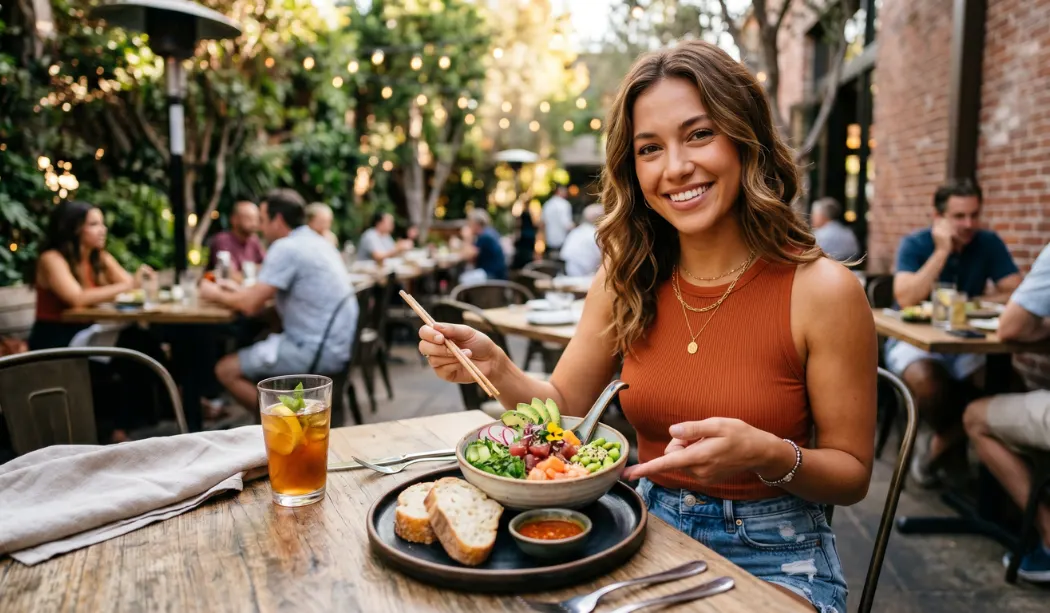
Technology and presentation are deeply connected in modern kitchens. These advanced methods create visual magic that delights diners.
Molecular Gastronomy Presentation Styles
Science meets cooking in this high-tech category. Chefs use molecular gastronomy presentation styles to turn liquids into solid pearls, create edible scented air bubbles, and flash-freeze herbs using liquid nitrogen right in front of the customer.
Colorful Food Presentation Techniques
Color psychology plays a massive role in how we taste. Using colorful food presentation techniques involves using completely natural ingredients like blue spirulina, green matcha powder, and bright red dragon fruit to dye sauces and doughs without changing their savory flavors.
Trending Buffet Presentation Ideas
Buffets do not have to look like old-school school cafeterias. Current trending buffet presentation ideas feature vertical food walls, live cooking stations, and individual mini-portions served in elegant shot glasses or tiny cast-iron skillets.
How to Improve Food Presentation Skills?
You do not need a Michelin star to plate food beautifully. Anyone can elevate their cooking by practicing a few fundamental rules every single day.
First, invest in the right gear. A squeeze bottle for sauces, a sharp knife, fine tweezers, and a simple offset spatula are all you need to start. Next, always choose the right plate. White, matte-finish dishes act as a blank canvas and make the colors of your food pop.
Finally, practice control. Keep your plate rims completely clean and wipe away any accidental drips before serving. Use the rule of odds—arranging items like scallops or tomatoes in groups of three or five is naturally more pleasing to the human eye than even numbers.
Food Presentation Ideas for Home Chefs
Bringing restaurant-quality design to your family dinner table is easy and fun. Start by focusing on simple food presentation ideas for home chefs like slicing your chicken breasts at a sharp angle to show off the juicy interior.
Instead of pouring sauce directly over your food, pool a neat circle of sauce on the bottom of the plate and place your protein gently on top. Finish your dishes with food garnishing and plating trends like a light sprinkle of flaky sea salt, microgreens, or toasted sesame seeds for instant texture and contrast.
"Plating is the final bridge between the kitchen and the guest. A beautifully presented dish shows respect for the ingredients and tells the diner that what they are about to experience is special." — Culinary Director Insights
Frequently Asked Questions
What are the golden rules of food presentation?
The three golden rules are balance, cleanliness, and scale. Ensure your colors and textures contrast nicely, keep the outer rim of your plate perfectly clean, and make sure your portion size matches the size of the dish.
Can home cooks use professional plating techniques easily?
Yes! Simple steps like using squeeze bottles for sauces, buying white plates, and stacking ingredients for height can instantly make home-cooked meals look professional.
Why are edible garnishes preferred over inedible ones?
Inedible garnishes like plastic picks or raw herb stems confuse guests and disrupt the dining flow. Every item on a plate should contribute directly to the flavor profile of the dish.